What to Expect
Quito
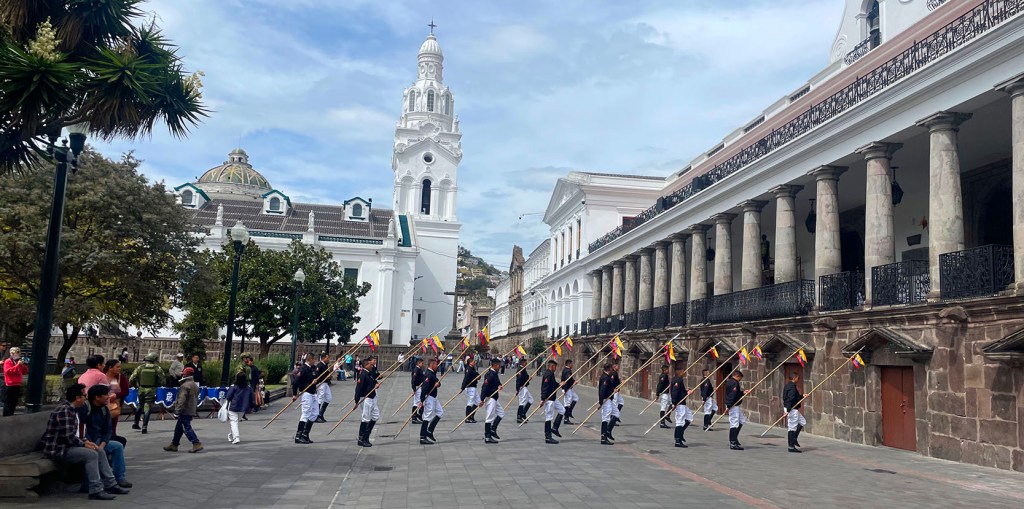
Your journey begins in Quito, with most international arrivals reaching the hotel after midnight. Your first full day includes a visit to Quito’s Historic Center before heading into the Amazon.
Altitude & Weather
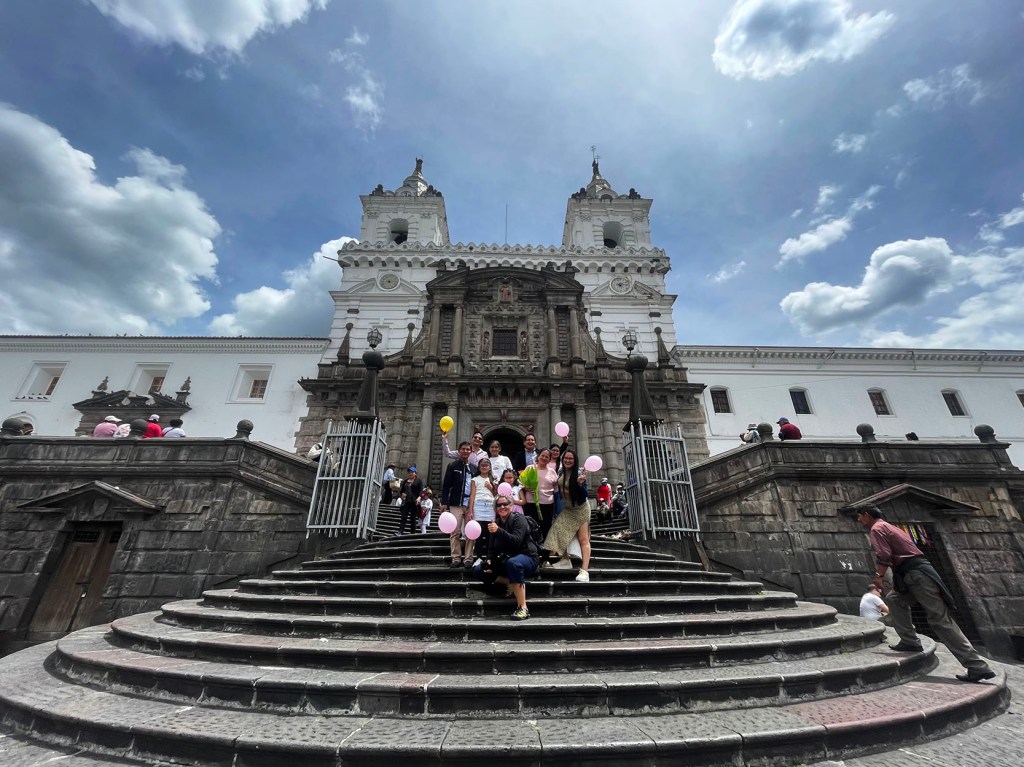
Quito sits at a high elevation of about 9,350 ft, so you may notice the dry air or feel the effects of altitude, especially after a long travel day.
Weather can change quickly. Strong sun, cool air, and rain showers can all happen in the same day.
Safety while Walking Around Quito
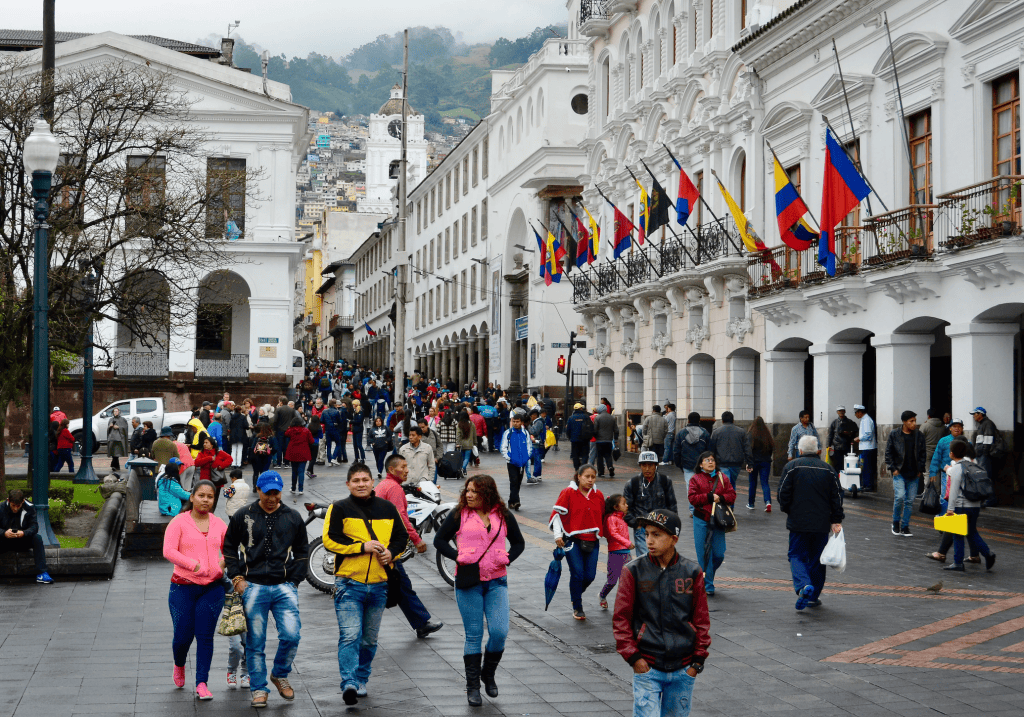
Expect hills, uneven sidewalks, and busy city streets. Keep phones, wallets, and cameras secure, particularly in crowded areas.
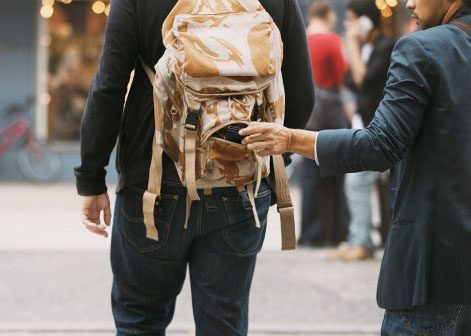
Distraction scams do occur. If a stranger points out something on your clothing or offers unexpected help, decline, keep your belongings close and move on.
The Amazon
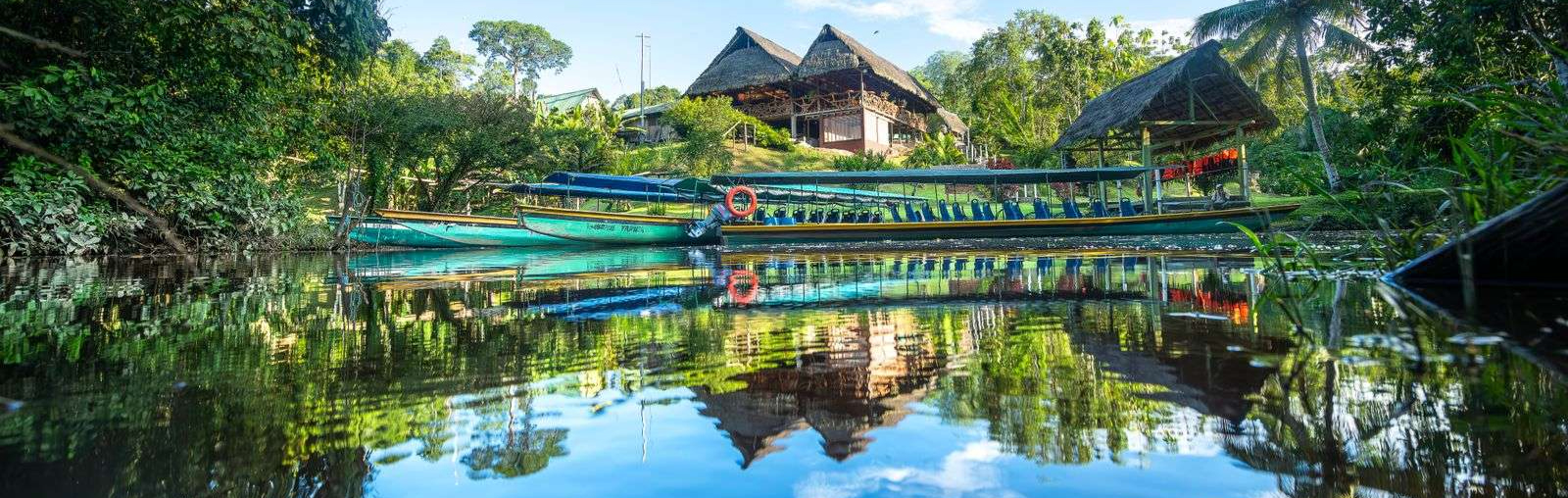
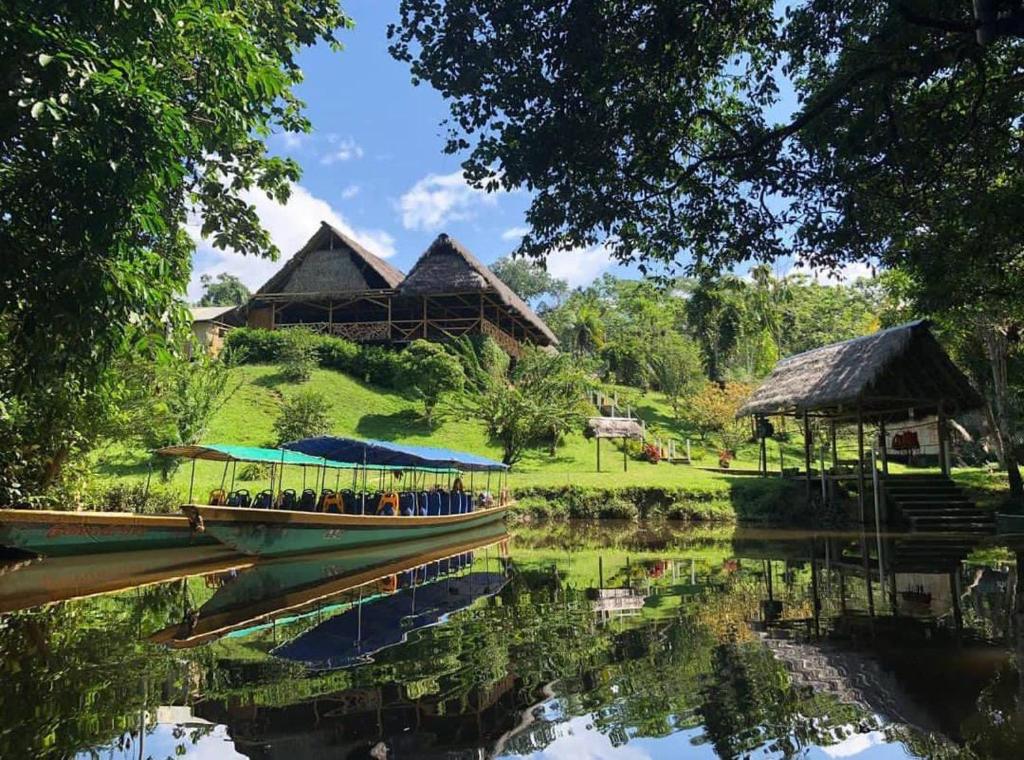
After Quito, the journey shifts completely as you travel into Ecuador’s Amazon rainforest for three nights at Yarina Eco Lodge.
Getting to the Lodge
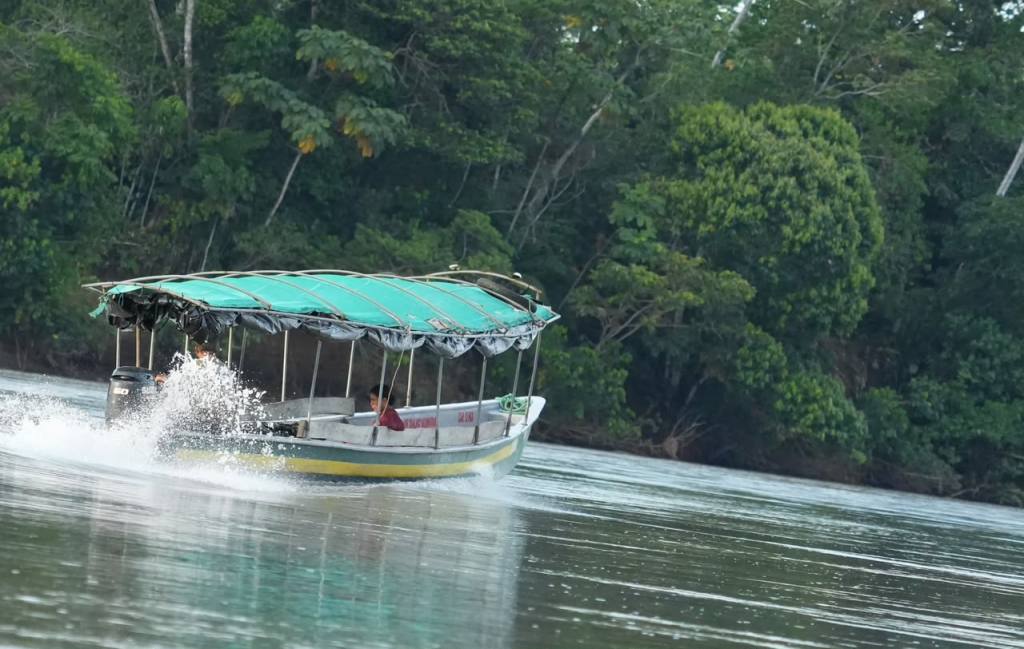
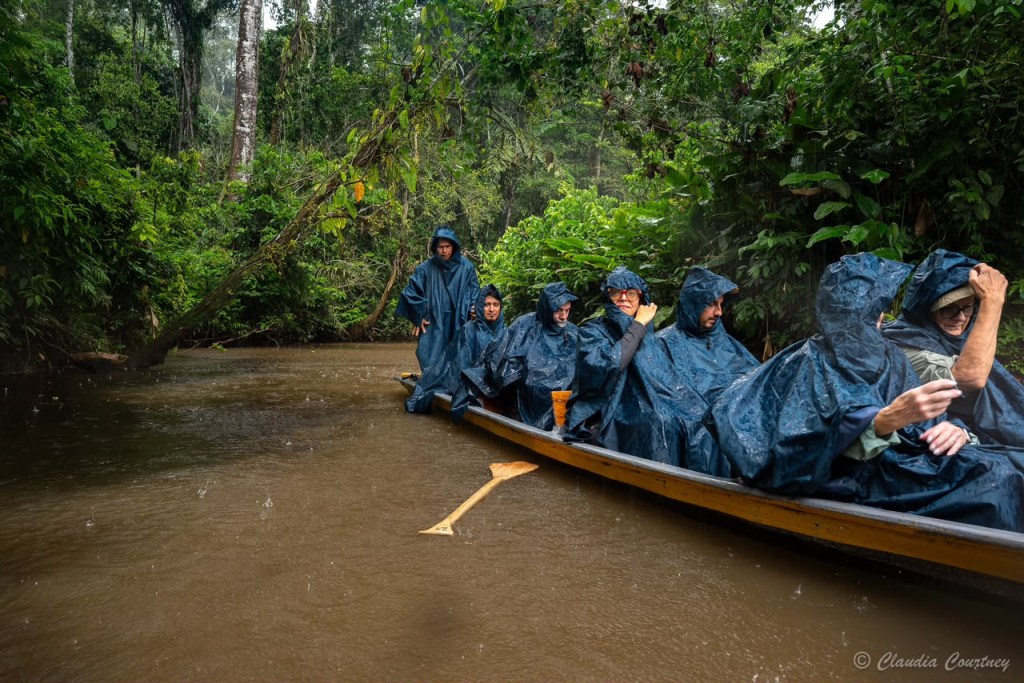
The day begins with a short flight from Quito to Coca, followed by about one hour by river canoe to reach the lodge. The journey along the river is part of the experience and offers your first real introduction to the Amazon rainforest.
A Different Kind of Comfort
Accommodations are simple and rustic, typically with twin beds. The focus is on being immersed in the rainforest rather than on luxury or resort-style amenities.
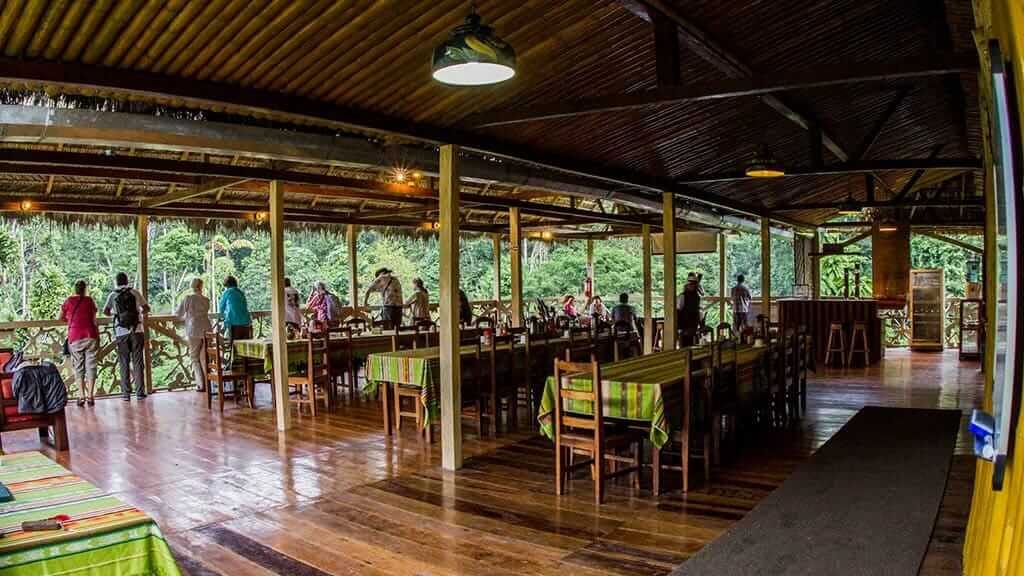
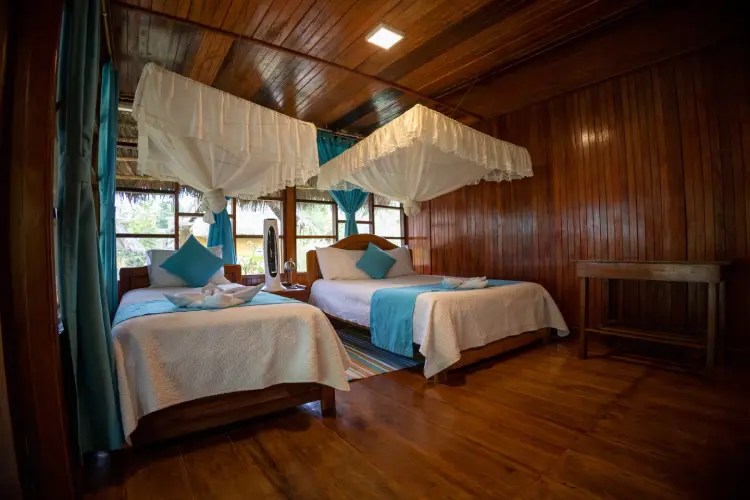
Weather, Terrain & Activities
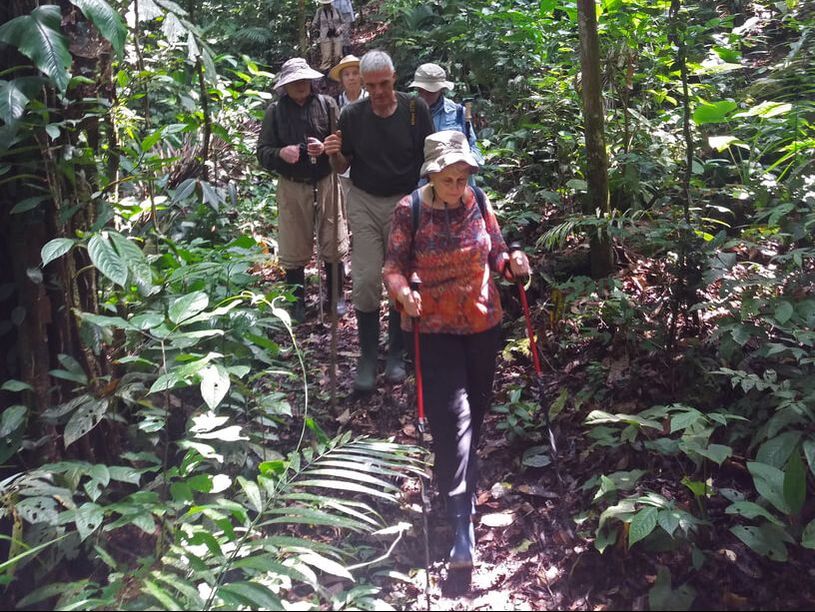
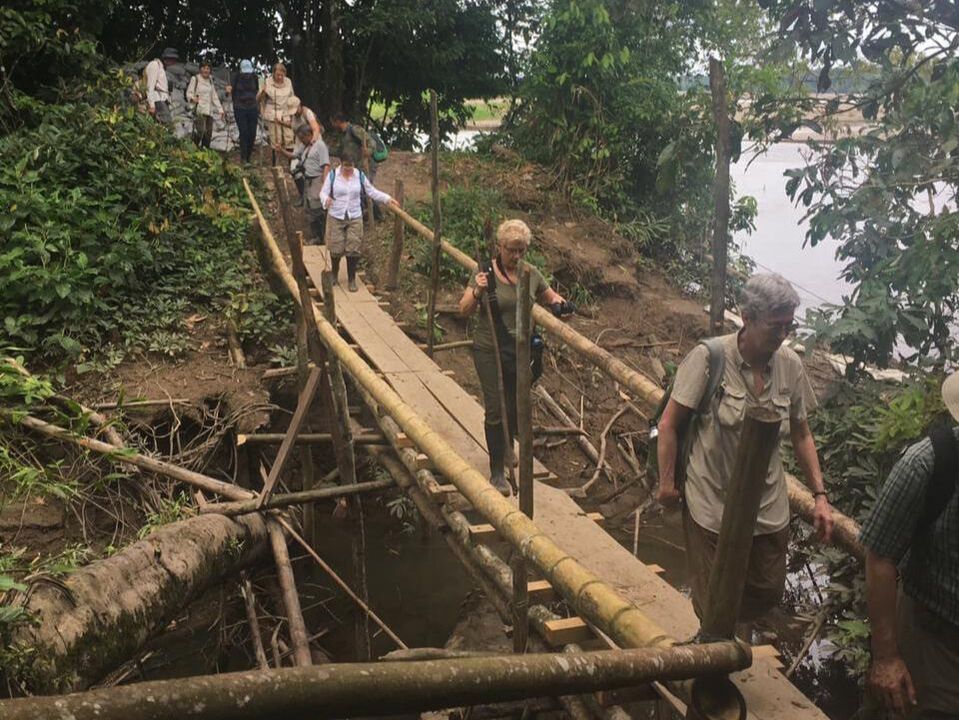
The Amazon is hot, humid, and rainy throughout the year, and conditions can change quickly. Expect muddy, uneven trails and wooden walkways that may not always have handrails.
Hiking poles are highly recommended, and rubber boots are provided when needed. You’ll also have opportunities to explore by small canoe during your stay.
What to Wear in the Amazon
Lightweight, quick-dry clothing works best. Long pants and long socks are useful for jungle walks, while neutral or muted colors are a practical choice. Tube socks can also help protect against sand flies.
Keep a small daypack ready with water, insect repellent, sunscreen, and anything you may need during excursions.
Day in the Life
The Day in the Life is one of OAT’s signature experiences. You will be spending time with community members, taking part in simple daily activities, and sharing a home-hosted lunch. The focus is less on sightseeing and more on conversation, participation, and getting to know the people behind the place.
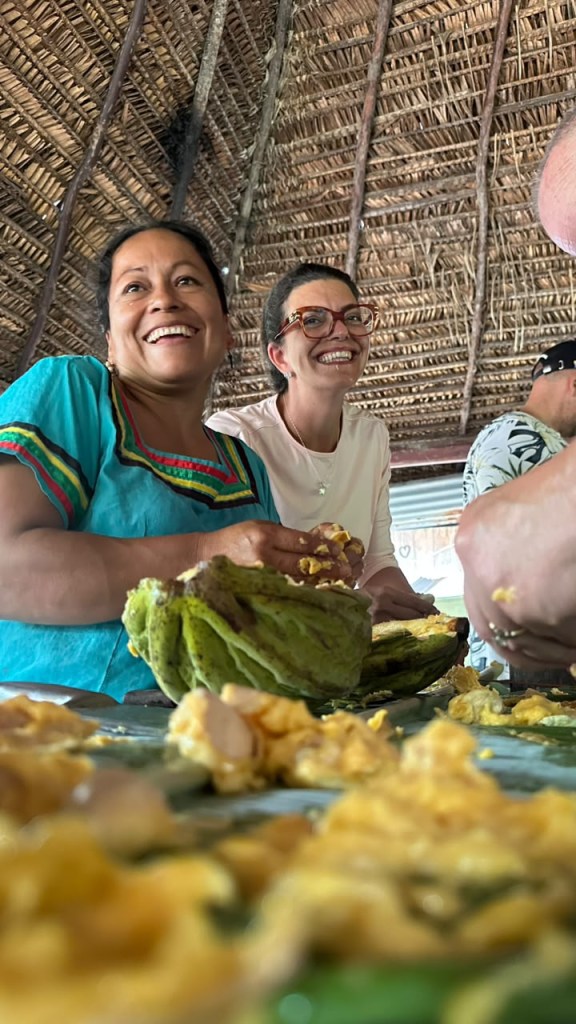
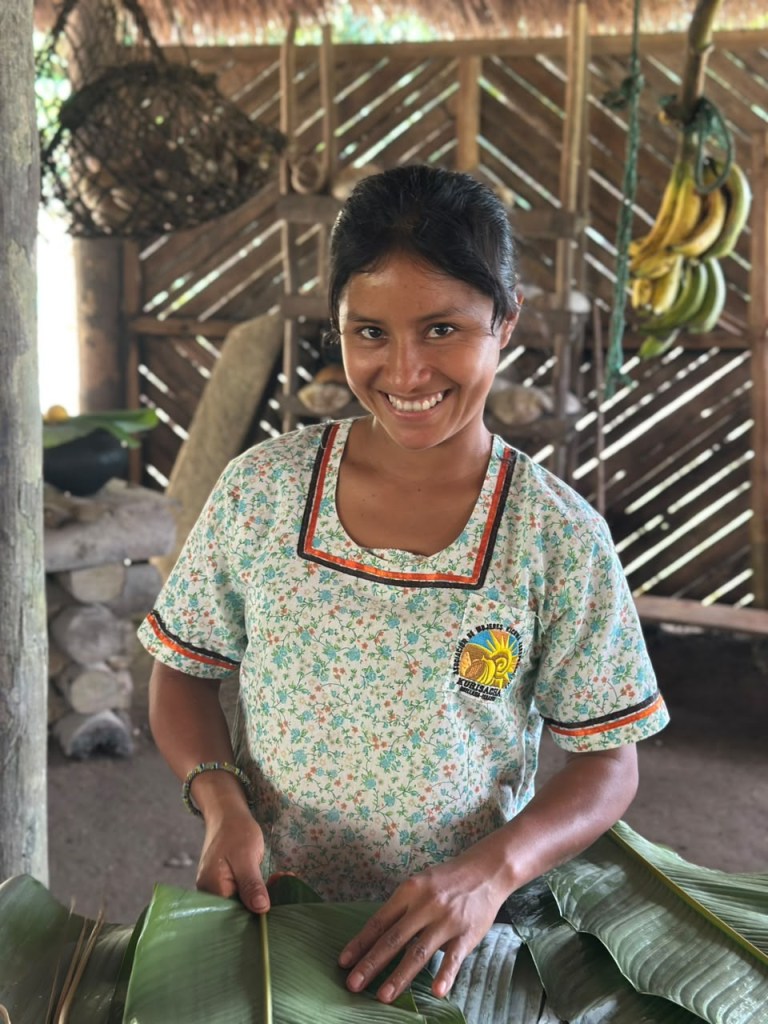
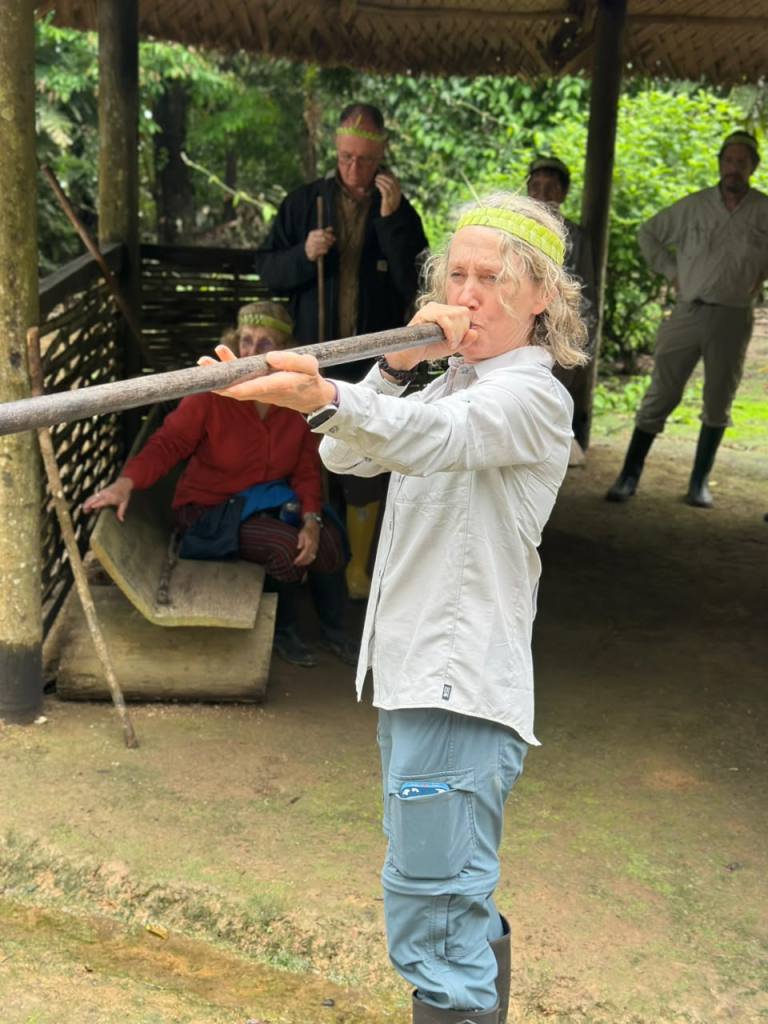
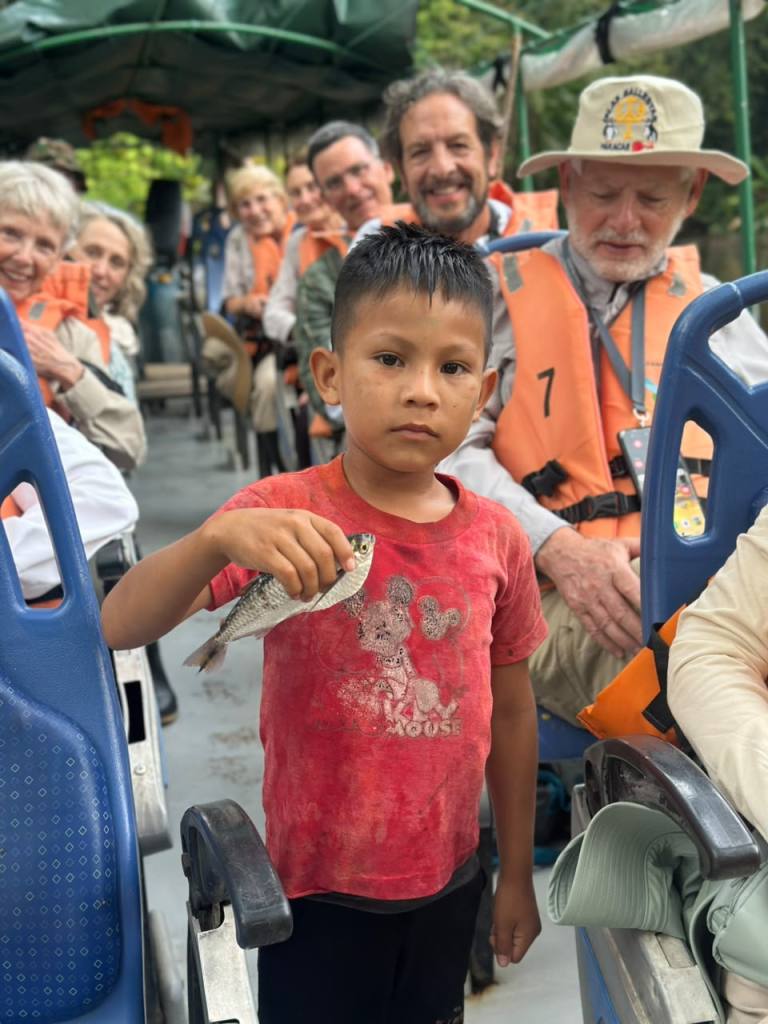
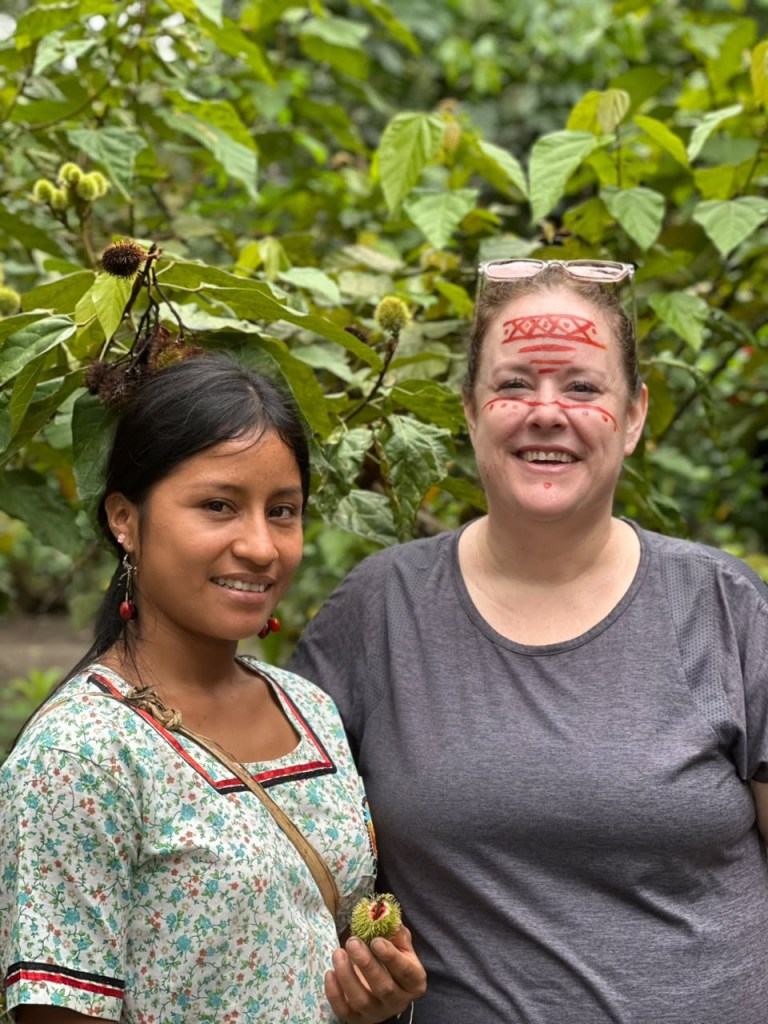
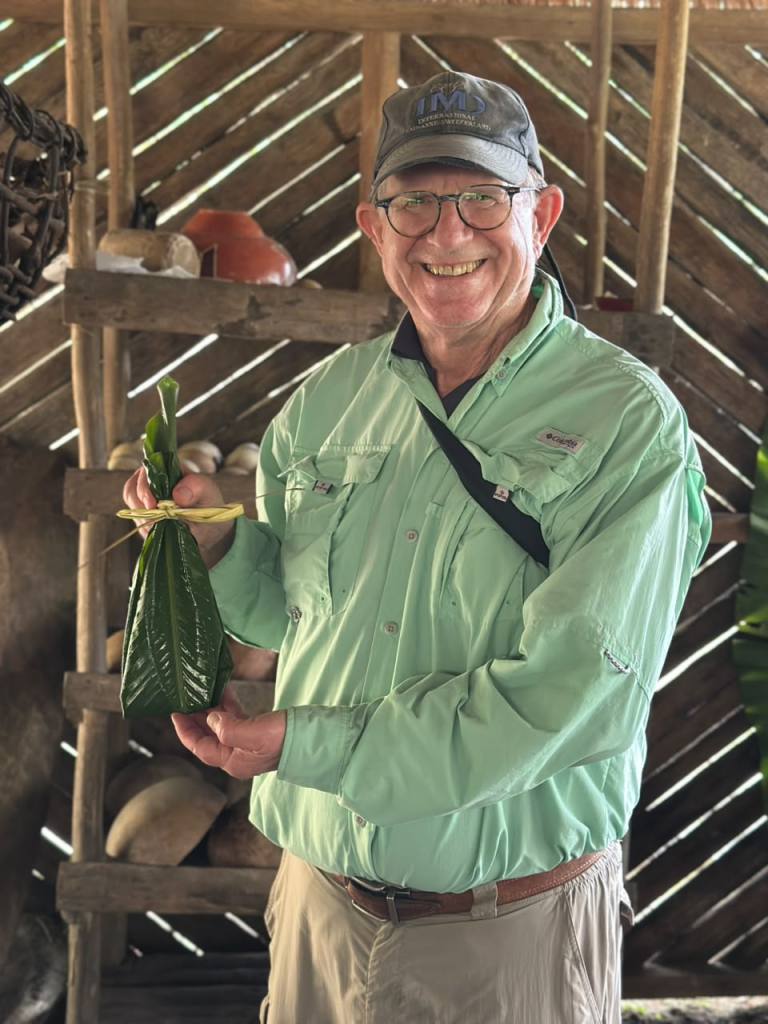
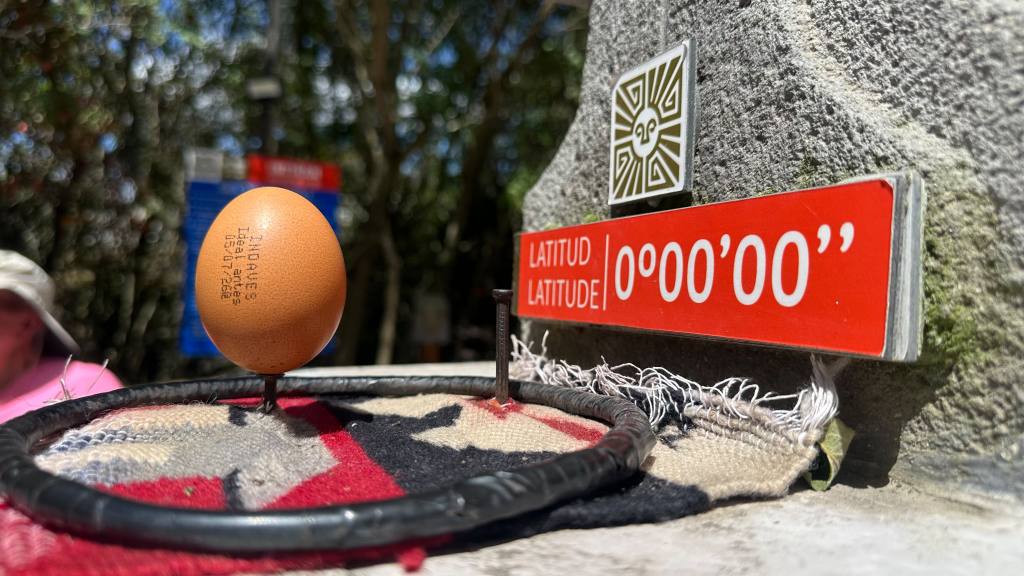
After three nights in the rainforest, you’ll return to Quito for a complete change of pace. Over the next two days, you’ll enjoy an included visit to the Equator, followed by a free day to explore more of the city or join the optional excursion to Papallacta Hot Springs.
Your Trip Experience Leader can help you decide what to combine and arrange transportation if you want to explore independently.
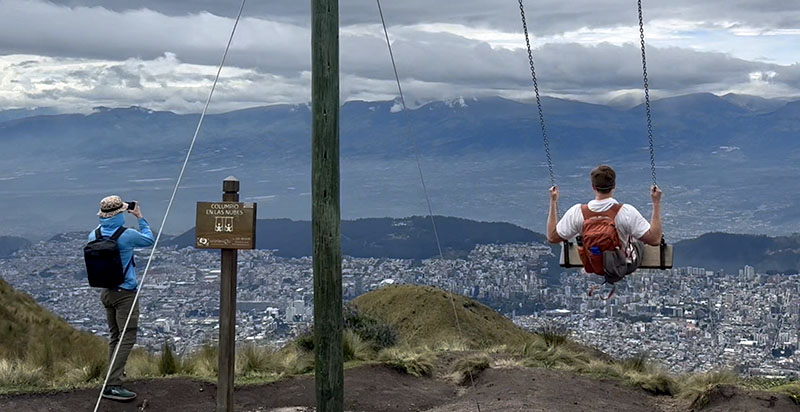
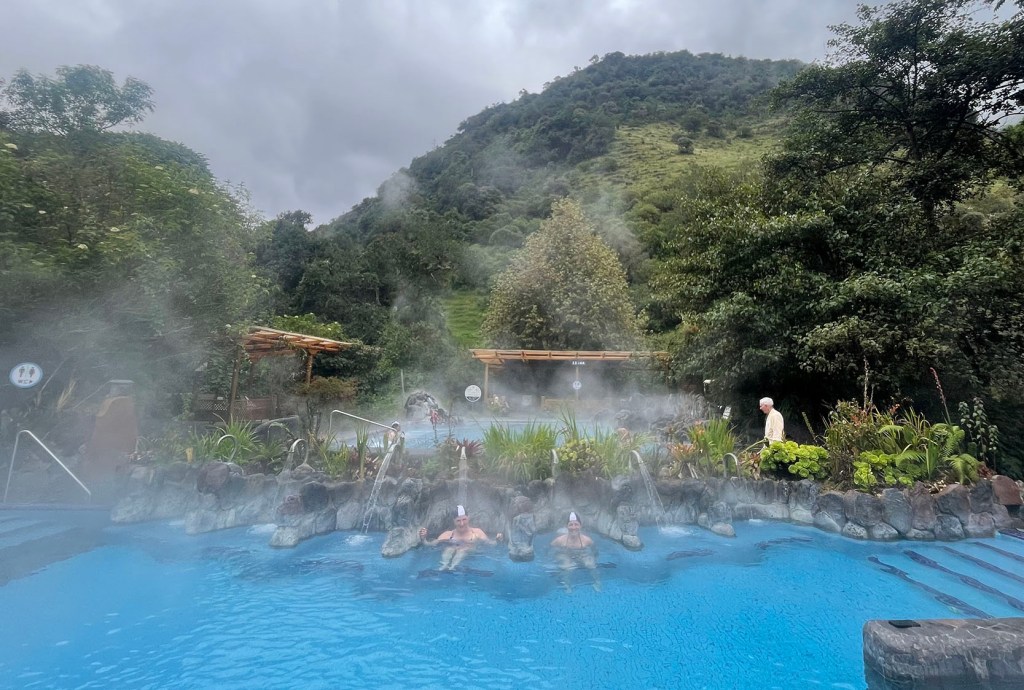
Notes on Papallacta Hot Springs Optional Tour
For the optional tour to operate a minimum number of participants is required. It includes transportation, lunch, and access to the facilities, plus the option to join a nature walk with your Trip Experience Leader. Massages are available at an additional cost and can be booked and paid for on site by credit card.
The drive takes about to 1.5 hours each way, along a scenic mountain road that reaches elevations above 13,000 ft.
Explore Termas de Papallacta website
Getting Ready for the Galápagos
You don’t need a special suitcase for Galápagos. A regular suitcase is fine; the duffel is simply easier to handle.Leave anything you won’t need in Quito and travel lighter to the islands. Your Trip Experience Leader will help you decide what to take. Stored luggage will be waiting in your day use room, when you return to Quito.

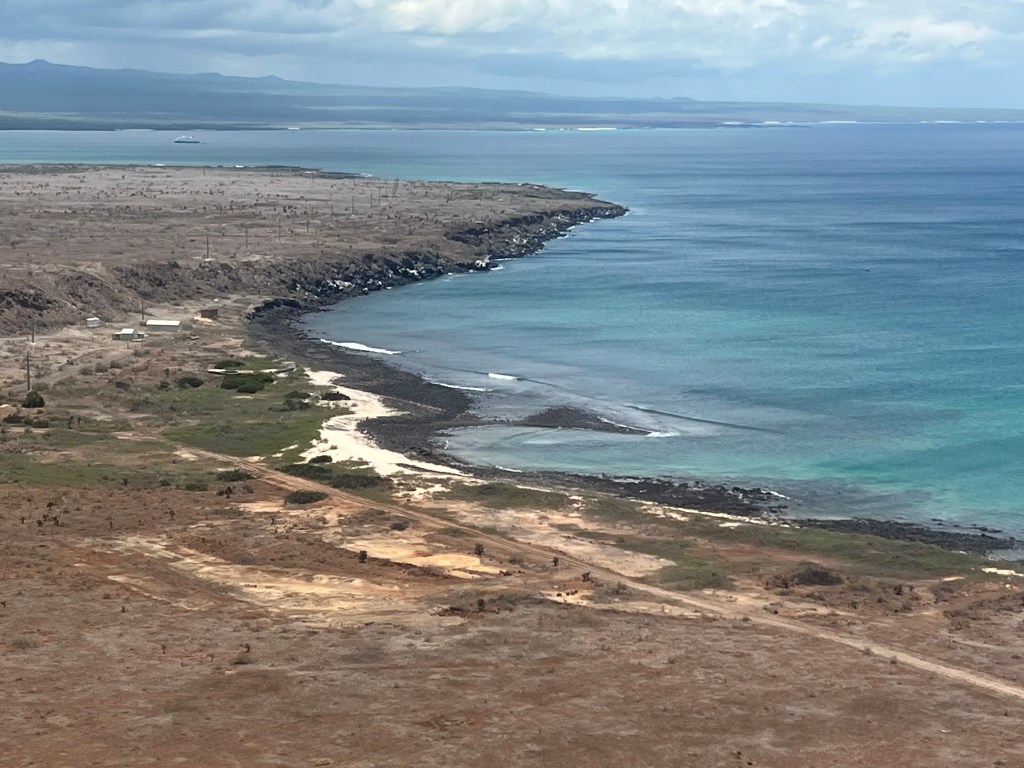
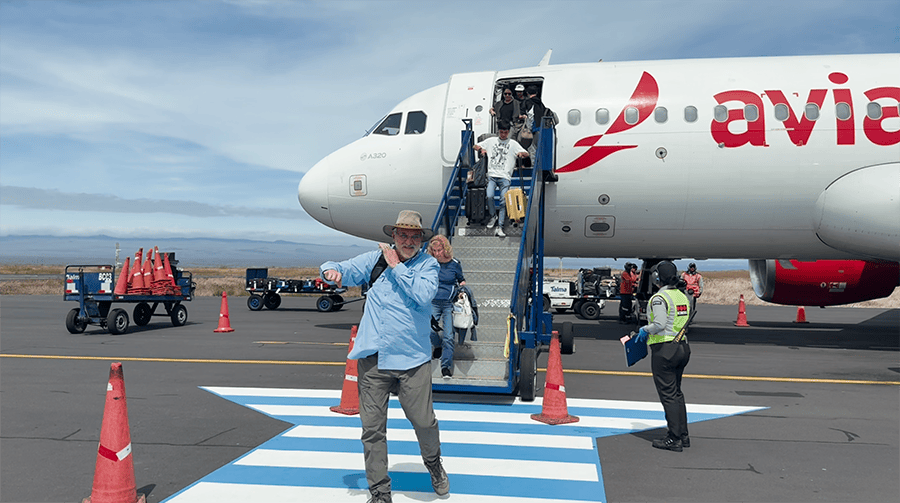
Getting to the Islands
Expect an early start. Most departures leave the hotel around 5:00 AM. The journey to Galápagos takes about 3½ hours, including a 1 hour stop in Guayaquil where you normally remain on the plane.
Galápagos
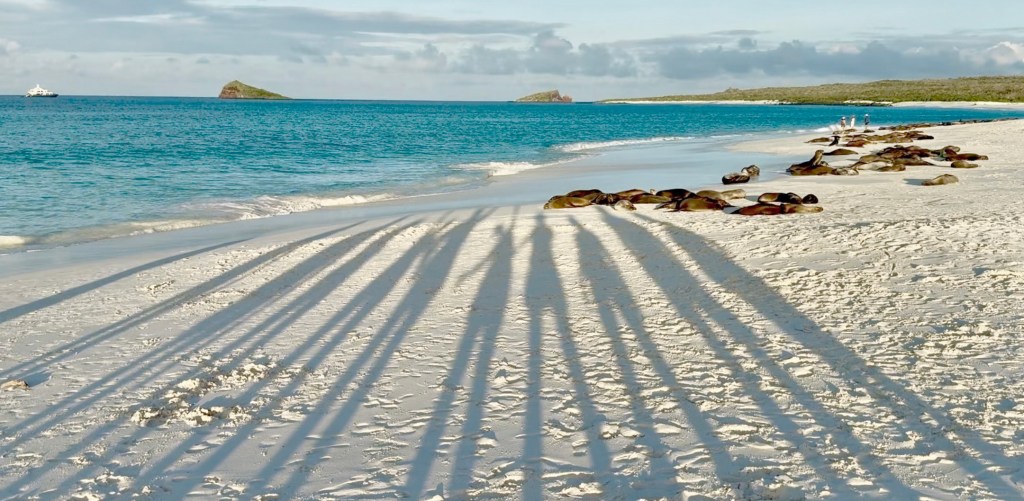
The Galápagos portion is active and outdoors. Visitor sites are natural environments rather than paved attractions, and the rhythm of life on board can feel quite intense at times.
How Your Galápagos Itinerary Works
Your Galapagos itinerary is strictly assigned and regulated by the Galápagos National Park. This includes the day of the week, visitor sites, permitted time windows, and activities allowed at each location.

Your Trip Experience Leader will let you know which route your departure will follow. If you’re curious before then, just ask, they will usually already know which islands and visitor sites are planned for your trip.
Weather & Sea
Galápagos is remote and exposed to the elements, so conditions can sometimes feel intense: from very strong sun and wind to rough seas and sudden weather changes. Think of this as part of the expedition experience of exploring such a wild and extraordinary place. Keep in mind that Galápagos has two very different seasons, and each comes with its own trade-offs:
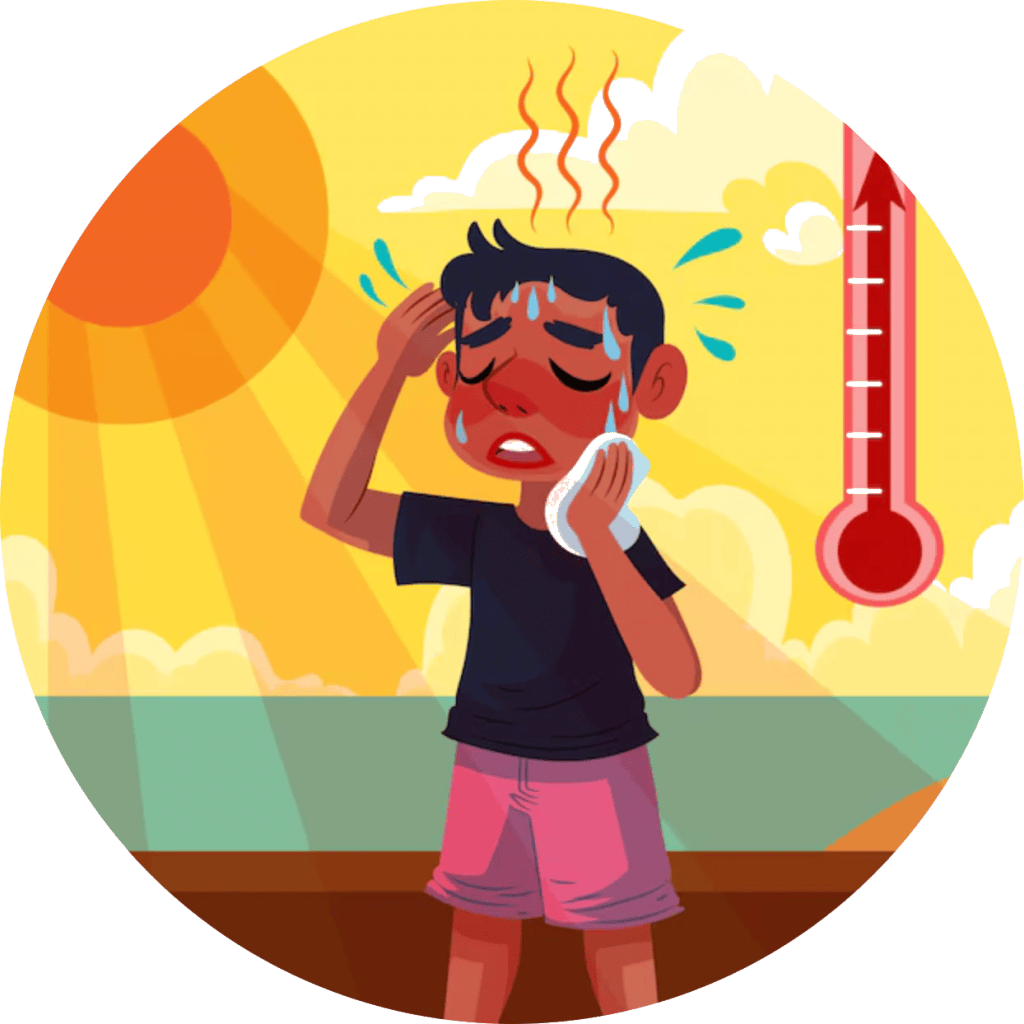
December–May: hot, humid, with warmer and calmer seas. Expect short, intense tropical rain showers. The heat can feel strong, so some activities may start before breakfast to avoid the hottest part of the day.

June–November: cooler, breezier, and often gray, with periods fine mist. Water is cold, around
65–72°F and the sea can be rough, with choppy conditions and larger swells, especially during longer navigations.
Conditions vary by island and day, and your Trip Experience Leader will let you know what to expect before each outing.
Life on a Small Ship
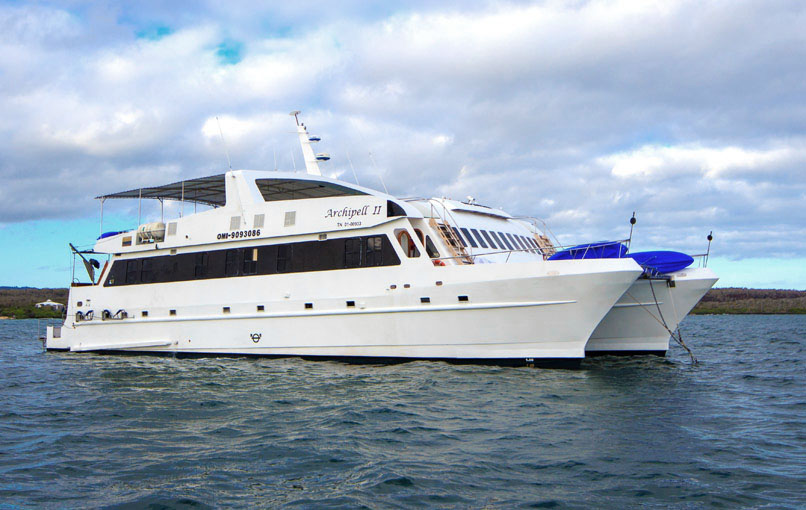
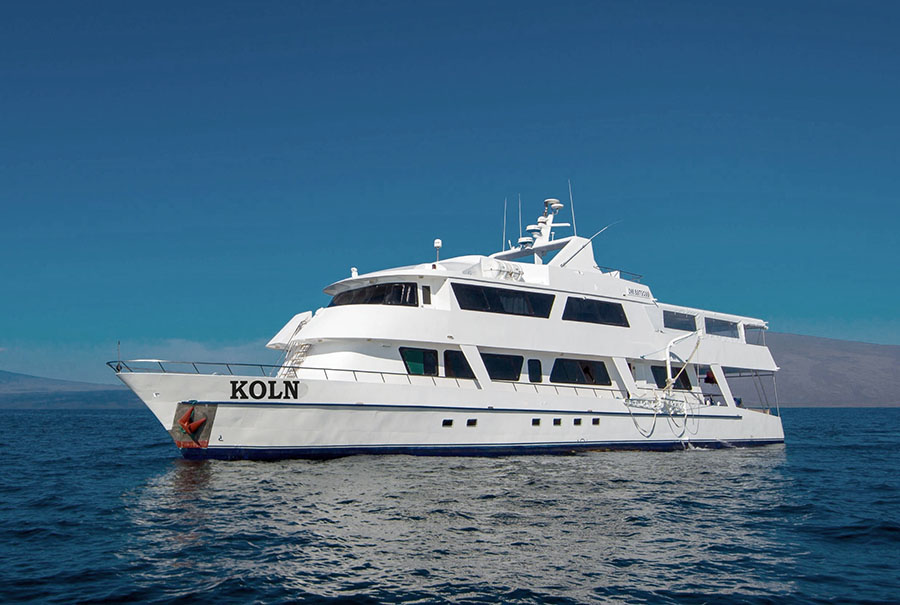
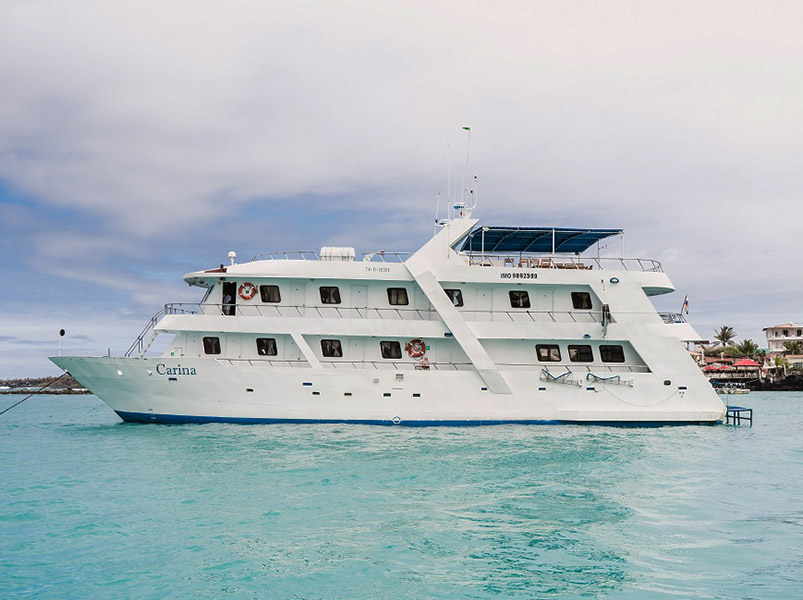
Your vessel is chartered exclusively for your O.A.T. group, creating a very personal experience. A crew of around eight Ecuadorians will look after you and will become part of your Galápagos adventure.
These are small vessels operated by local families. Expect basics and simple facilities, along with engine noise, anchors, and normal crew activity. In Galápagos, the real value is in the access, the wildlife, the crew, and having the vessel entirely to your group, not resort style amenities.
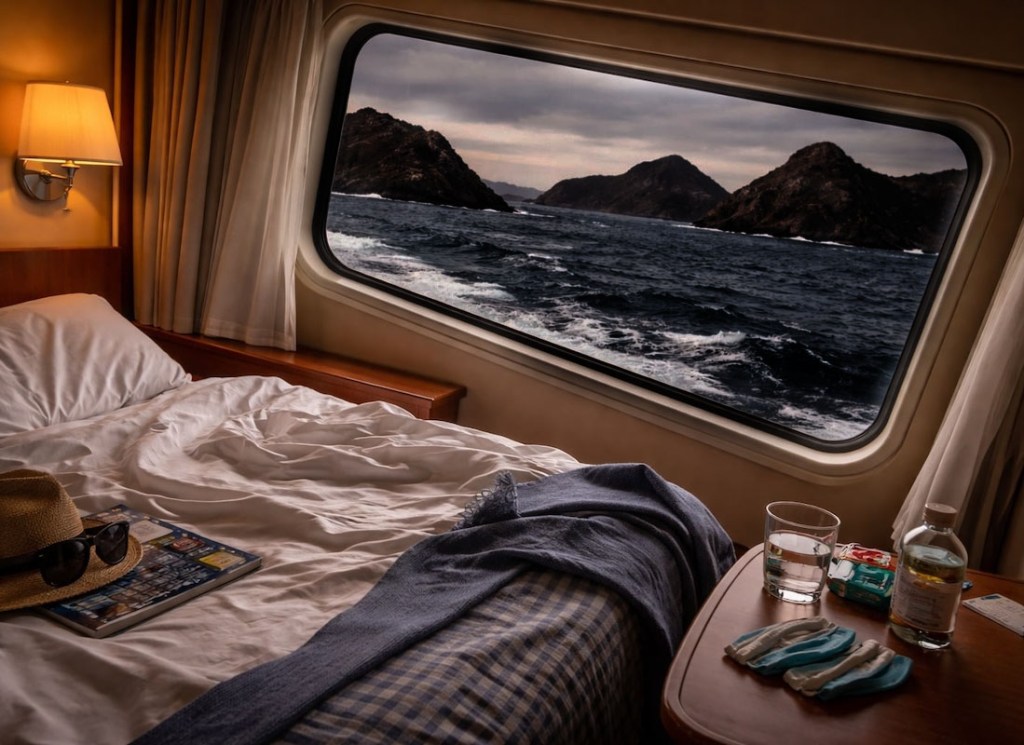
The islands may look close on a map, but overnight navigations can take 4 to 12 hours, sometimes longer. Seas can be choppy, and some nights may be feel restless.
Life on board is simple, close-knit, and part of the adventure. A few nights may even become a night to remember.
You’ll also be traveling in remote areas without immediate access to doctors or pharmacies. A basic first-aid kit is available on board, but bring the medications and personal health items you may need.
A Typical Day in Galápagos
Galápagos days can be very active and sometimes strenuous.
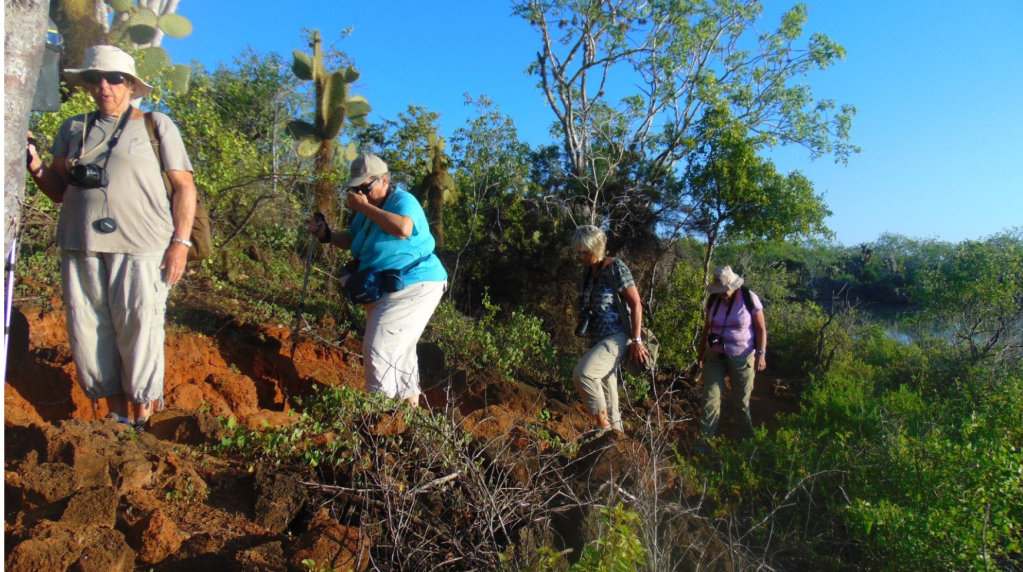
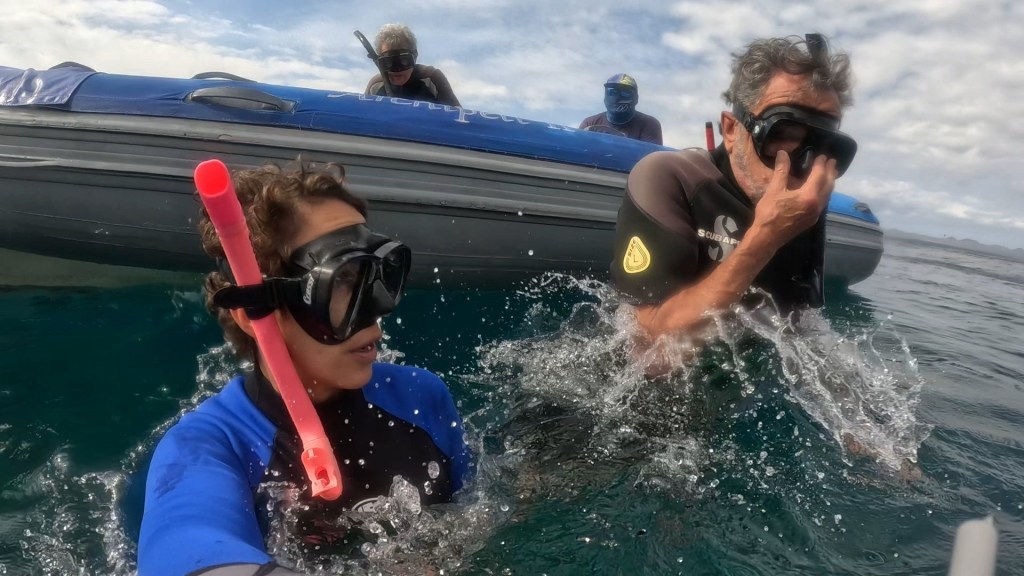
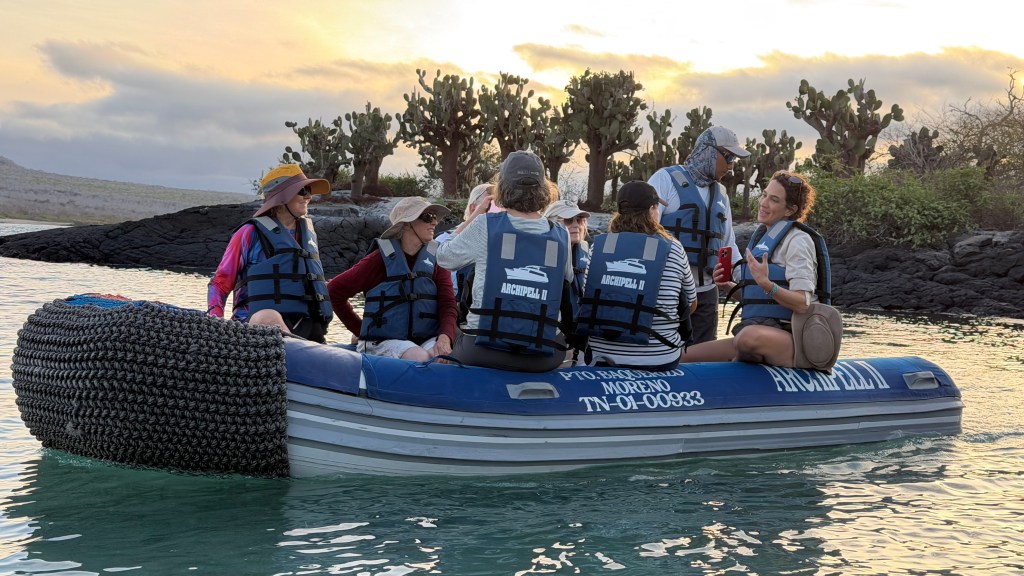
A typical day might begin with a morning landing for a hike, followed by a return to the ship to change for snorkeling. After some time on board, the afternoon may bring a zodiac ride and another snorkeling or landing opportunity.
Terrain & Landings
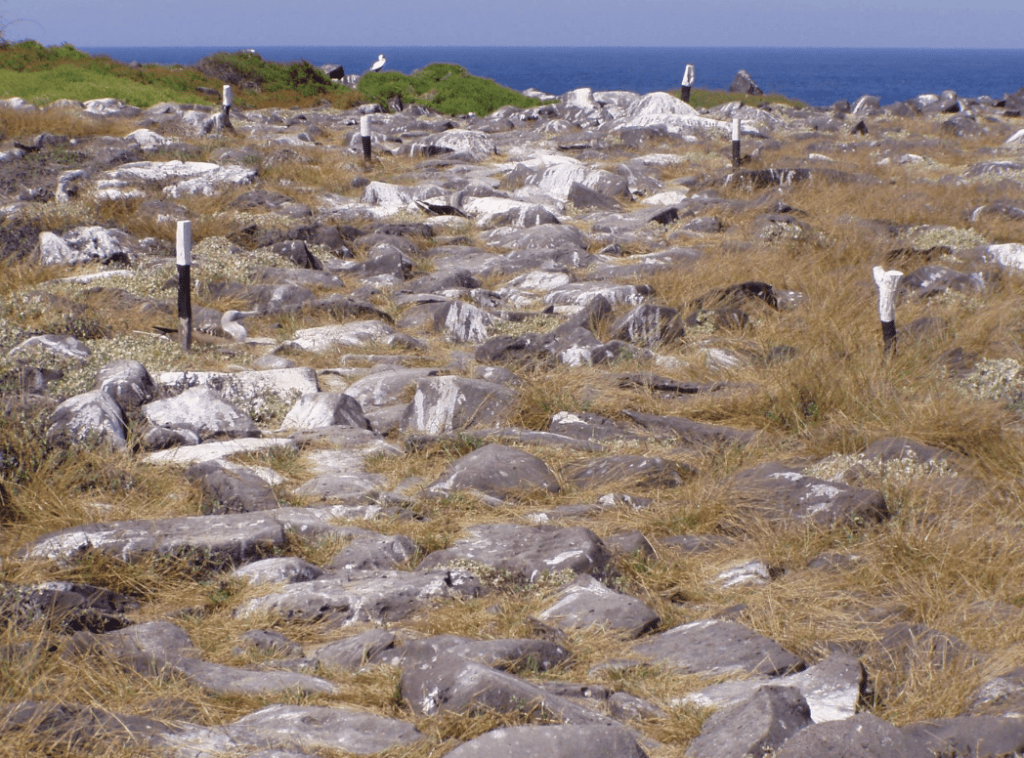
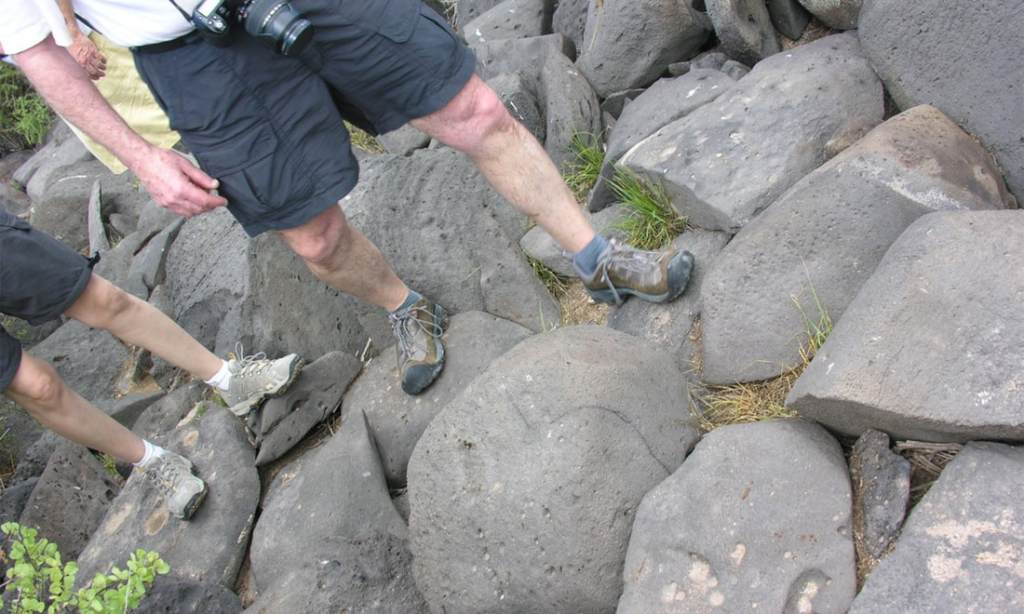
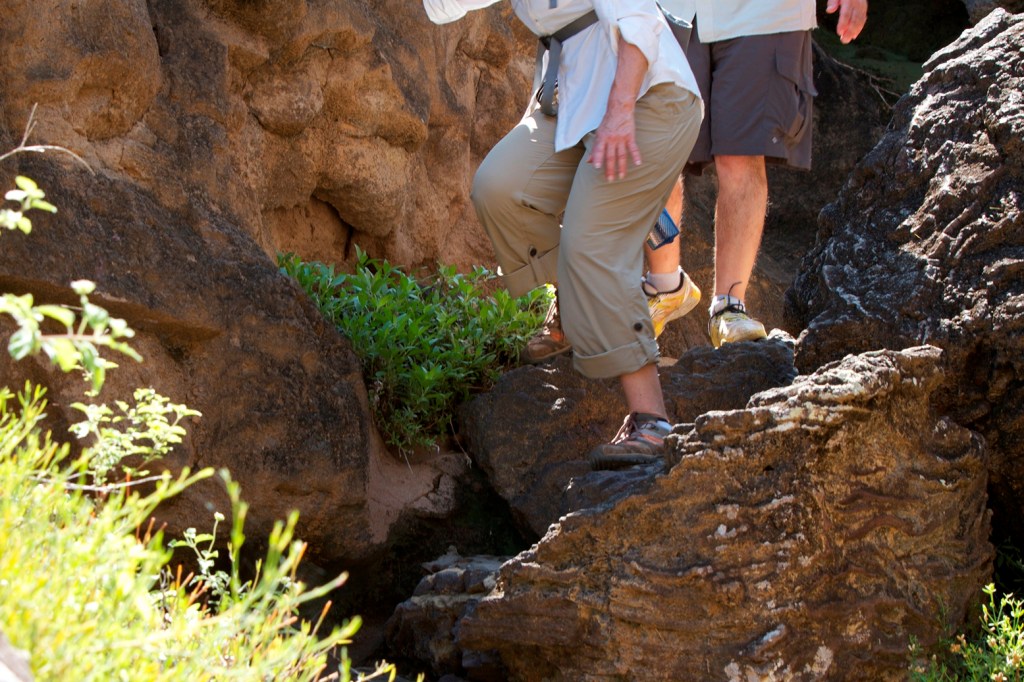
Expect challenging terrain, including loose lava rocks, large boulders, and occasionally slippery surfaces. All visitor sites are reached by zodiac, with two main types of landing: dry and wet.
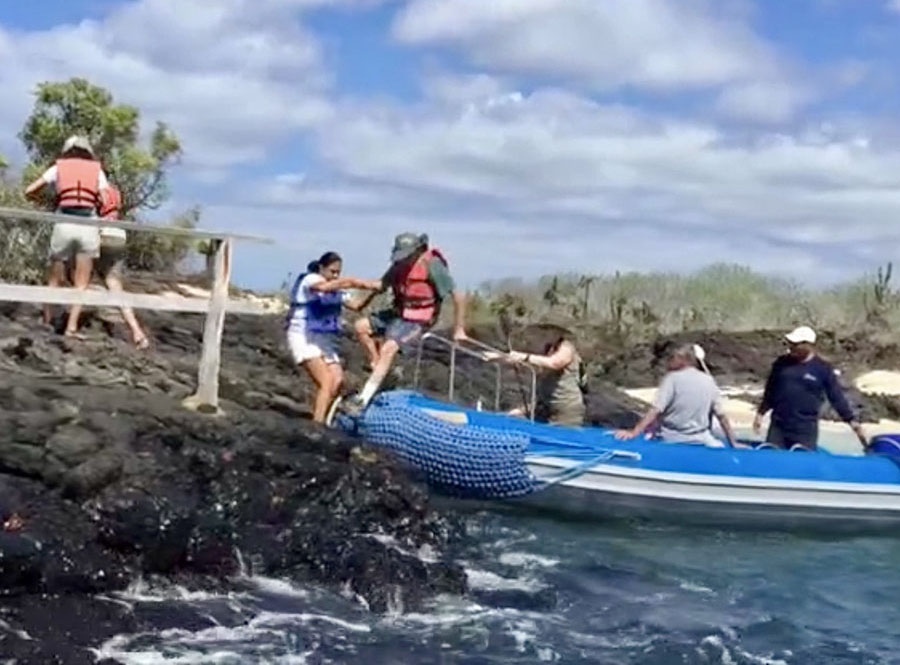
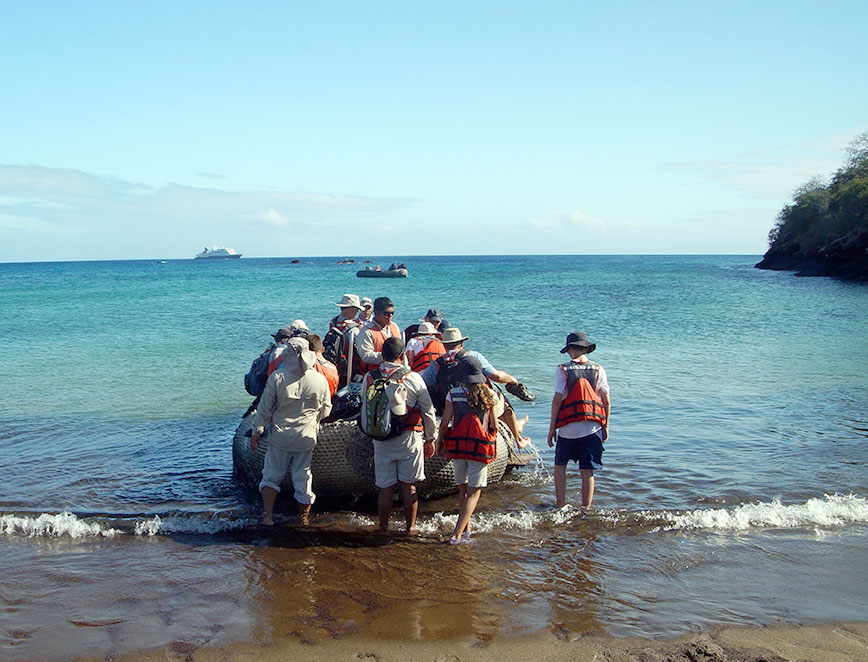
See it in action
Conditions vary. This short video shows what a more challenging wet landing can look like, with the crew assisting passengers from the zodiac to shore.
You never have to do everything. Every activity is optional, and your Trip Experience Leader will help you decide which outings are the best fit for you.
Snorkeling
Snorkeling is an important part of your included features of the trip, and one of the highlights of the Galápagos. While on board, there will be plenty of snorkeling opportunities according with the itineraries stablished by the Galapagos National Park.
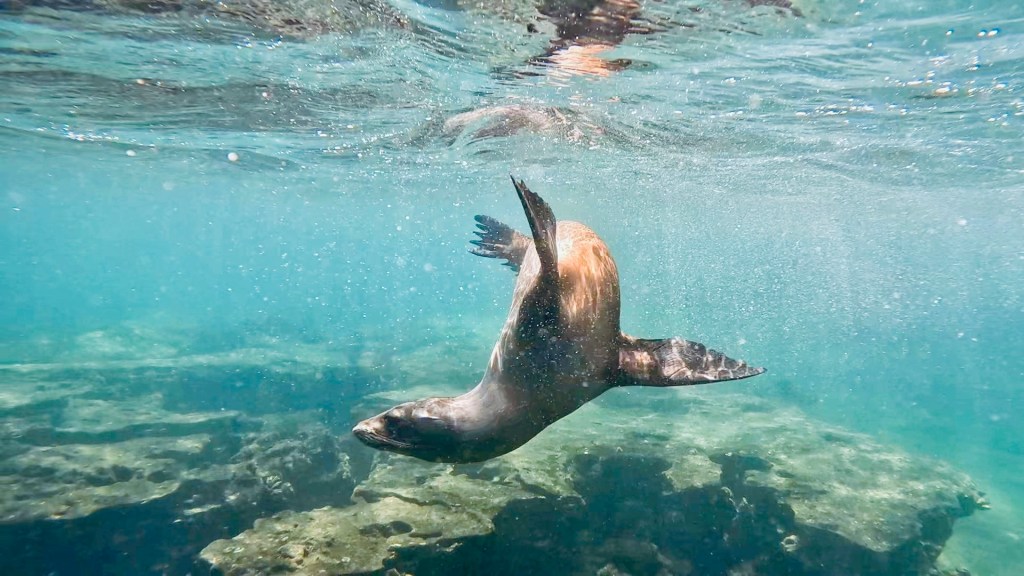
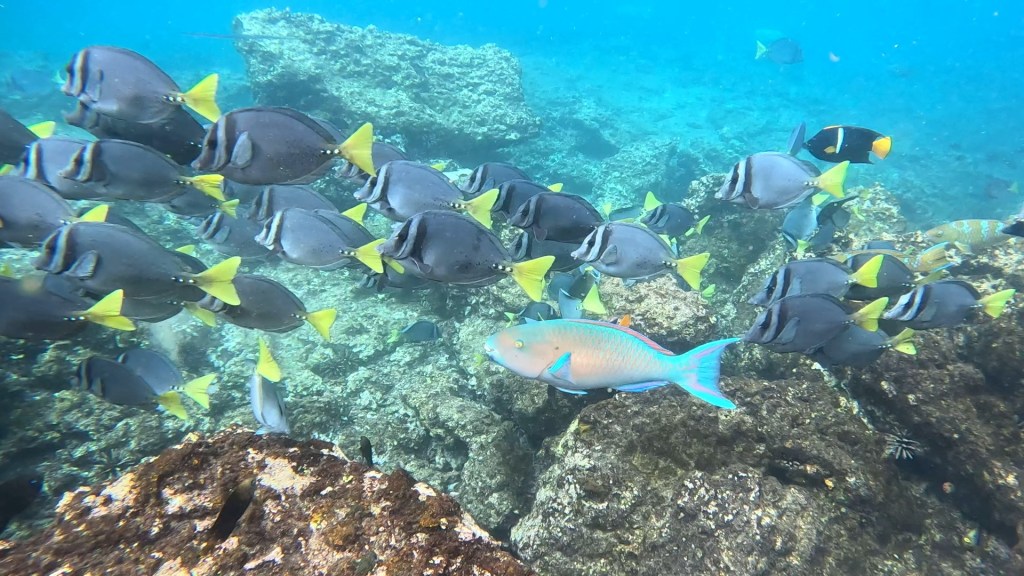
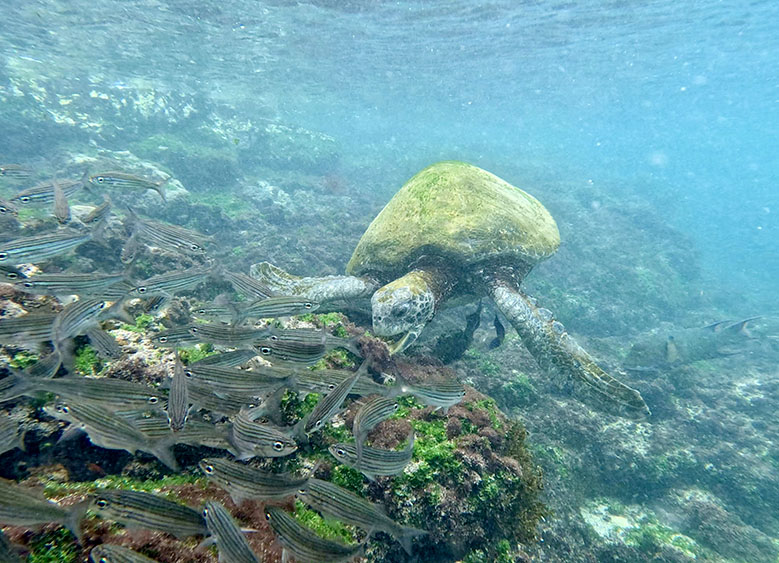
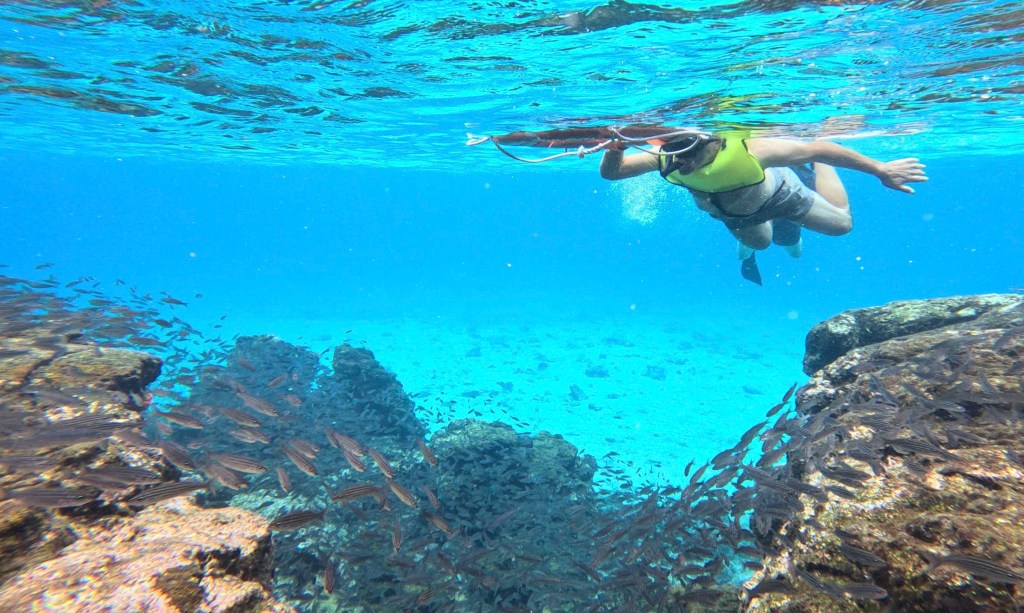
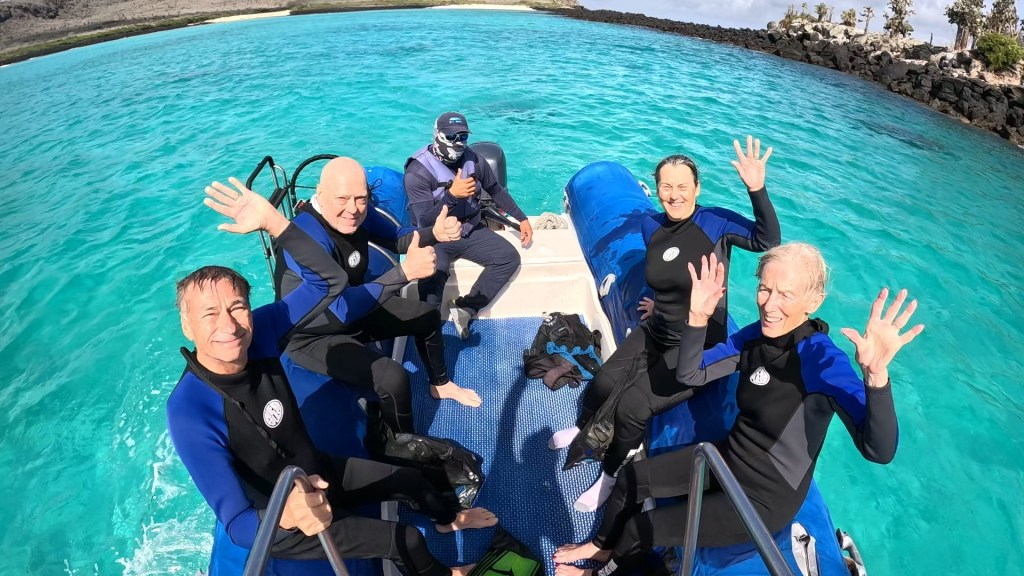
Most Galápagos snorkeling begins directly from the zodiac, rather than from a beach. Before each activity, your guide will explain the snorkeling plan and safety procedures.
See it in action
To participate, you’ll be asked to sign the required liability release before snorkeling. If you’re not a confident swimmer, or simply have concerns, talk with your Trip Experience Leader beforehand.
Gear available: Masks, snorkels, and fins are available on board for a rental fee. Wetsuits can also be rented in Quito and are highly recommended, regardless of water temperature: they provide sun protection, extra buoyancy, and some protection from rocks and occasional jellyfish. Your Trip Experience Leader will let you know when and where to arrange your rentals.
Everyday Practicalities
Food, Water & Dietary Needs
Make sure your Trip Experience Leader knows about any dietary restrictions or serious food allergies, and keep essential allergy medication with you.
Water & Refills
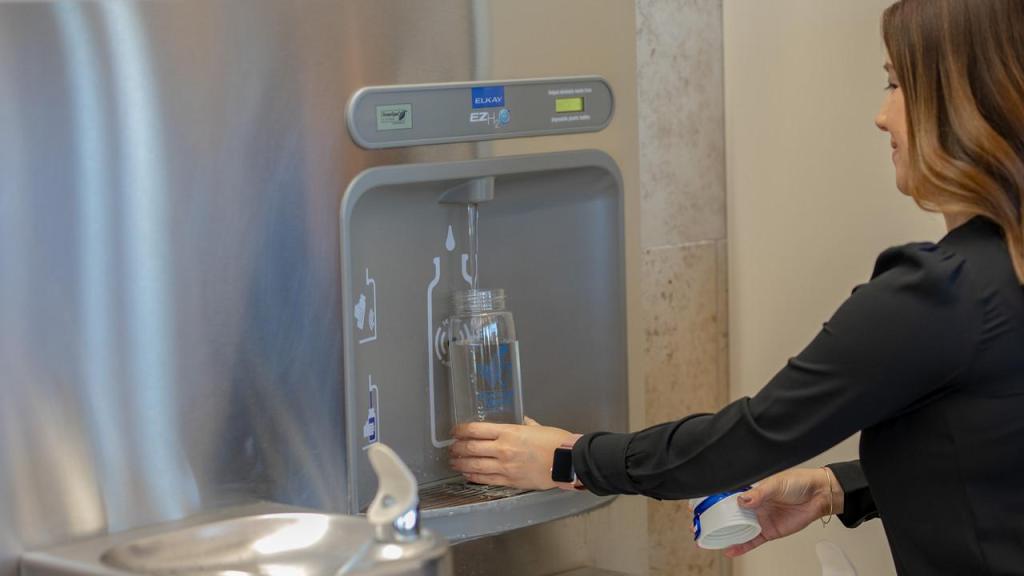
Tap water is not considered safe to drink in Ecuador. Single-use plastic bottles are generally not provided, so bring your reusable water bottle. Refill stations are available at the hotel, airports, and on board in Galápagos.

Food in Quito
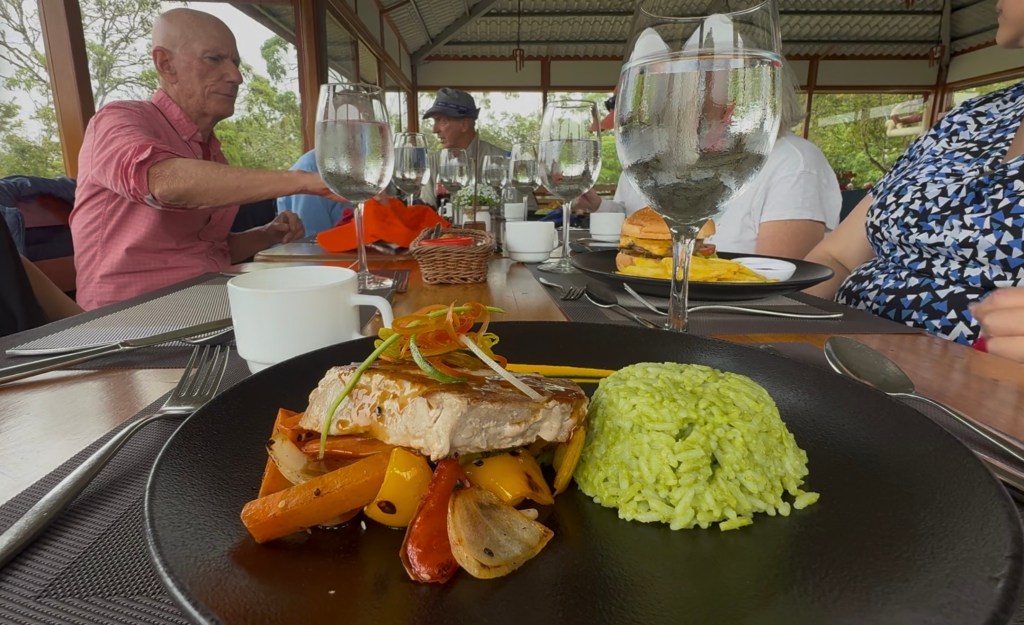
Most days include a buffet breakfast plus one main meal, either lunch or dinner. Portions can be generous, often with a starter, main course, and dessert.
There’s no need to clean your plate. If you have a smaller appetite, ask your Trip Experience Leader about half portions or simply skip a course.
Food in Galápagos
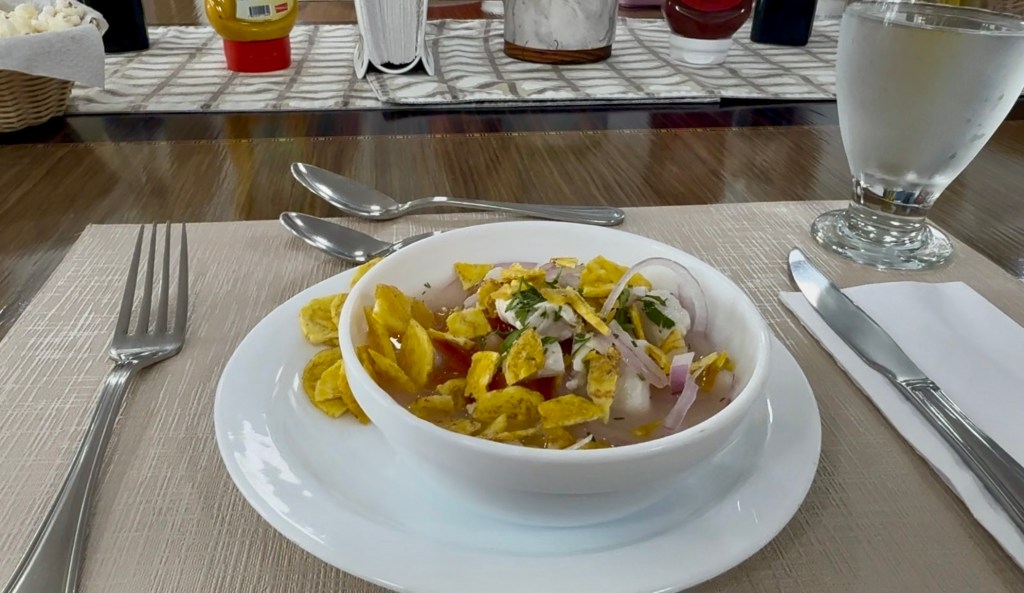
All meals are included. Depending on the vessel, meals may be self-serve or plated, with dessert at lunch and dinner. Food will be simple but generally fresh and colorful.
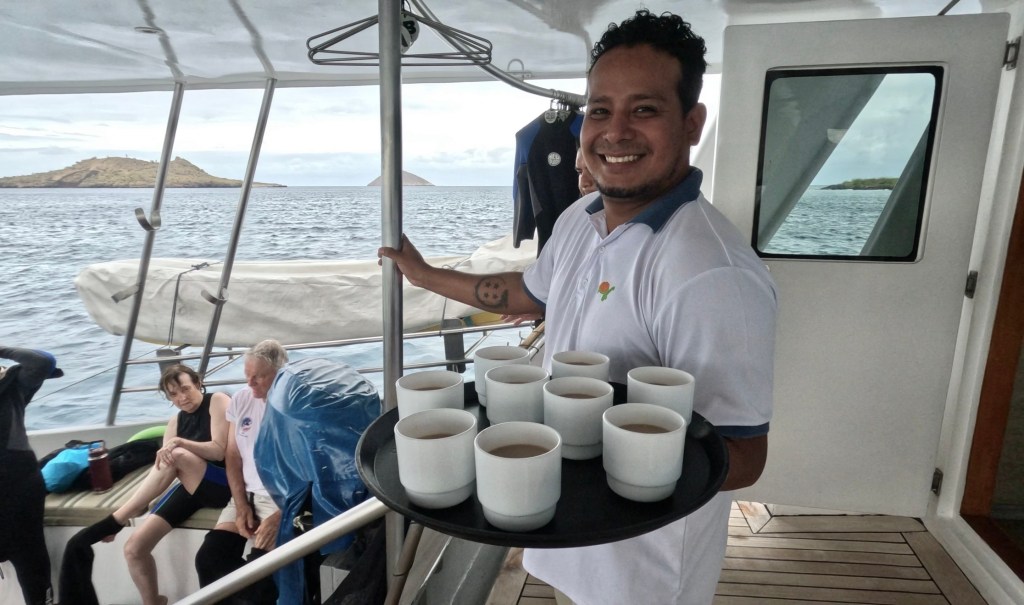
Snacks and drinks are often served after activities, with additional snacks available in the social areas. Water, coffee, and tea are available throughout the day. Extra soft drinks, wine, cocktails, and other bar items are extra and may need to be paid in cash.
If Your Stomach Needs a Break
An upset stomach can happen during travel for many reasons and doesn’t necessarily mean there was anything wrong with the food. Let your Trip Experience Leader know early, they can often arrange something lighter until you’re feeling better.
Bring familiar over-the-counter remedies from home, such as Pepto-Bismol, electrolyte packets, probiotics, or whatever normally works for you, as familiar products may not always be easy to find in Ecuador.
Bathrooms
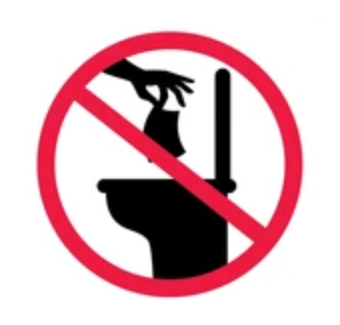
In many places in Ecuador, including chartered Galápagos vessels, toilet paper goes in the waste bin, not the toilet. Follow local signs and crew instructions, and never flush wet wipes.
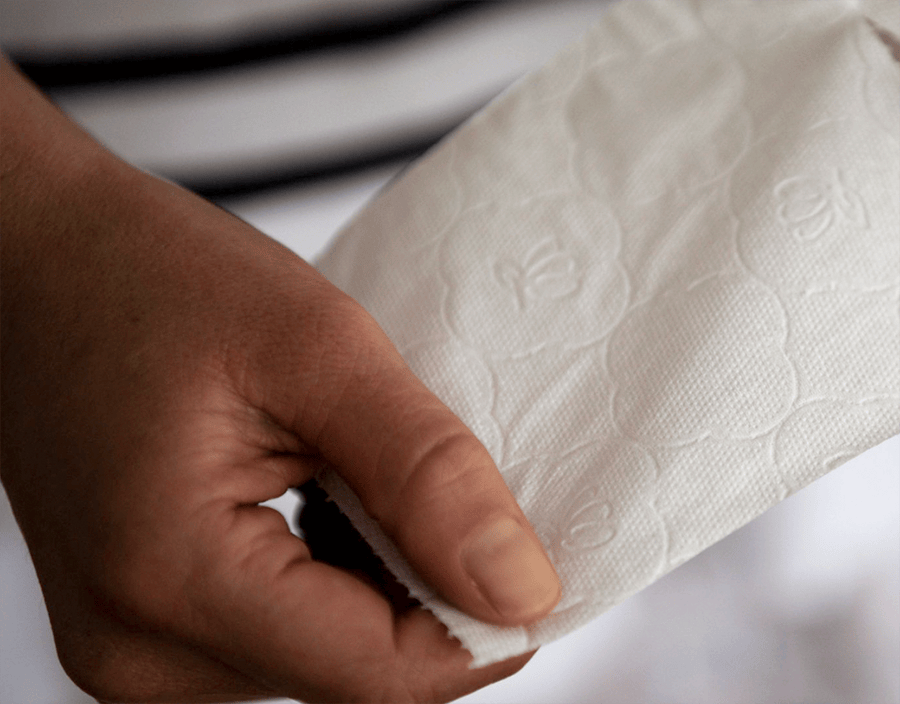
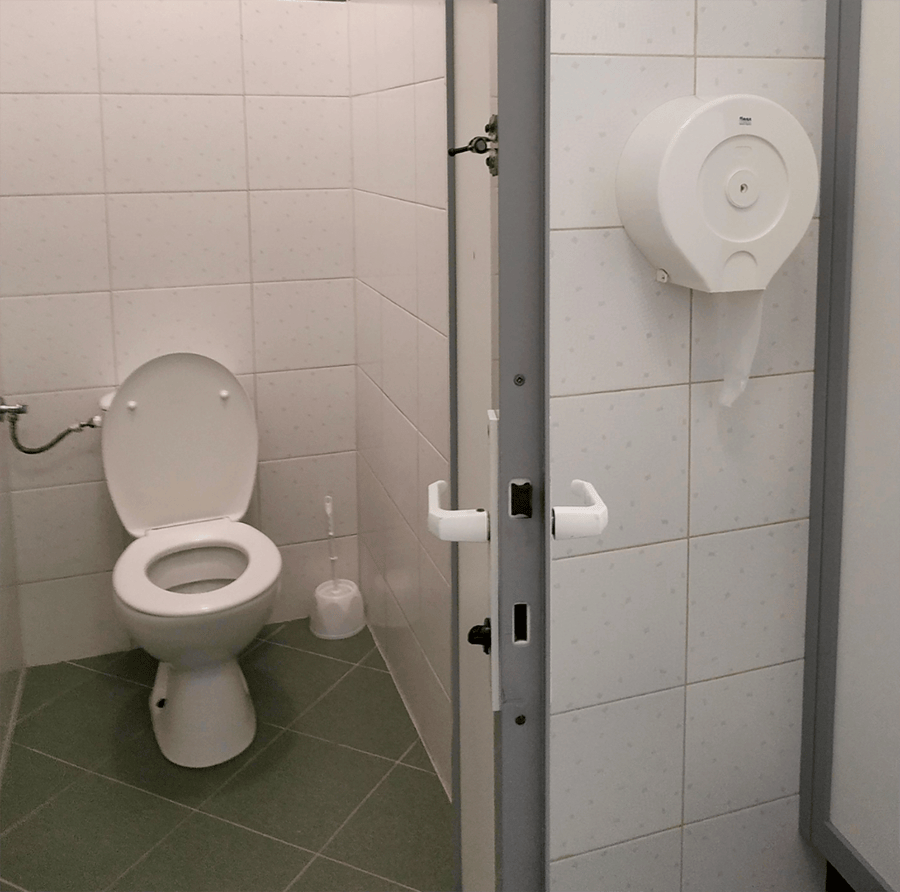
Some public restrooms may charge a small fee. Before entering a stall, check that there is toilet paper, some restrooms keep the dispenser outside the stalls, so take what you need first.
The Expedition Mindset
This is an active journey, and there may be moments when you feel tired, sore, or simply under the weather. When that happens, remember where you are: exploring one of the world’s most remote and extraordinary places. A little discomfort is sometimes part of the adventure, and often part of what makes the experience so memorable.